The Monastery of Public Education

As a former history major and middle and high school social studies teacher, I have both studied and taught about the Middle Ages many times. As a kid, I was obsessed with the Arthurian legends, Merlin, Robin Hood, the Three Musketeers, and the Count of Monte Cristo. While it was an interest, I never got too into studying Medieval History as a specialty in college. Rather, my foci were US History and Eastern/Southwestern Asian History and the Ottoman Empire. So, I hope that my fellow historians out there are patient and will go along with the extreme oversimplifications that I fully admit that I will use in this post. Firstly, make no mistake – I do NOT romanticize the Middle Ages. Life pretty much sucked for everyone. The black death was rampant, work was backbreaking and awful, outlooks were bleak, governments corrupt, and violent raids common. Life wasn’t awesome even for the wealthy. Medical care was mystical superstition at best and harmful at worst (drinking urine to cure syphilis? sure, why not!) So, although the Renaissance Faire might be fun; it’s nowhere close to the reality of the stinky cesspool that most medieval people toiled through daily. But the more than I have reflected upon the state of public education lately, the more convinced I am that since its inception, the only reason that public education in the United States has been as successful as it has been so far, is that it relies on a monastic system not too different from that of the Middle Ages. Much like the French invented perfume to cover up the stink of the Medieval lifestyle, we are all toiling together to prevent public education from “stinking”.

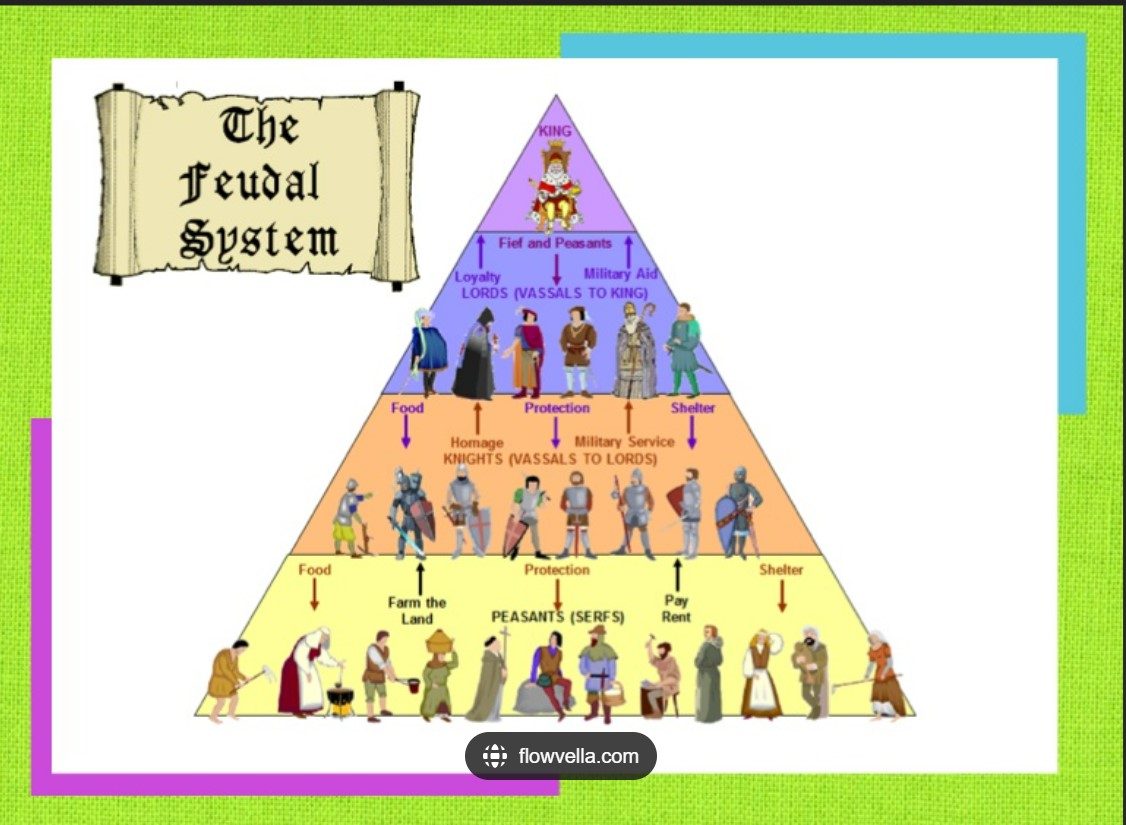
To keep things EXTREMELY brief and overly simple – the medieval feudal system organized society in a series of mutually beneficial “social classes” based not on the exchange of money, but rather goods, services, work, land, and protection. Within this system most people were serfs – working the land owned by wealthy lords in exchange for shelter, protection from raiders, and other basic needs. The wealthy lords themselves protected these serfs from Viking invaders (and other assorted ne’er-do-wells) behind stone walls in exchange for the serfs’ labor. In order to protect their lands, lords utilized “vassals” aka knights to protect their lands and serfs when necessary and in return these vassals got prime portions of land and goods. An offshoot of these vassals included monastics living in monasteries. These monasteries were safe and walled off much like manors and provided important services (crops, prayers, the selling of indulgences, and the copying of books) to lords, vassals, and serfs. Many of these monks were the “less athletic” sons of wealthy landowners, other clergy members, or knights. They weren’t necessarily cut out for knighthood but were privileged and educated/literate and were often the third or fourth sons of their families and not likely to get much of an inheritance. In exchange for their living this monastic lifestyle, they received the “benefits” of a safe place to stay, an education, food, and in a shockingly modern twist – old age pensions/care for when they aged and could no longer work. For more information on the benefits of being a medieval monk, check out this list.
To be sure, being a medieval monk or nun was certainly the choice of many devout medieval people. These people were truly passionate about religion and service and would have lived the monastic lifestyle whether or not these benefits existed – they just wanted to “serve God’s will”. While monasteries certainly benefitted from the passion of these devout clerics – there were some individuals who just served in monasteries because it made sense for their lifestyle. The “career” suited their needs. In MANY ways, public education is the modern-day equivalent of a monastic lifestyle. The “passion” of those that would work well beyond their contact hours for subpar pay is taken advantage of. Certainly, there were monks living in medieval monasteries that may have worked until 2 am transcribing an ornate page of the Bible to finish it despite “work hours” ending at 6 PM. But surely, there were many monks who just did their daily chores competently and nothing extra. Public education in this country has actually placed far too much reliance on “monastic passion” to keep schools afloat.

Schools are like any other workplace. They are an employer – and like any other employer there are individuals that are wildly passionate about their jobs – who go above and beyond and ask nothing in return. There are accountants, dentists, babysitters, and any other variety of professionals that go to work, do their tasks competently/well, and do not burn themselves out doing “extra”. Their companies survive. Meanwhile, in education teachers, paraprofessionals, and administrators are expected to “do whatever it takes for the kids”. The monastic lifestyle of teaching USED to be enough for many people. For example, “you won’t get paid much but you’ll have a generous pension, free/low-cost high-quality benefits, summers off, hours that allow for a work life balance, etc.” There were even tiers to this monastic lifestyle. If you worked in the inner city – chances are your salary was much higher; but the downside was dealing with potentially more challenging of a work environment. More students with trauma or who were low income; potentially more violence/gangs/poverty. At least in Chicago, this meant being required to live within the city limits; but in exchange for these additional challenges, you were monetarily compensated. Meanwhile, suburban districts that have always paid much less (unless they were a very affluent town), were able to say to applicants “you won’t make what you make in the city, but you won’t be dealing with x, y, and z.” Now that even suburban districts are inundated with low-income students, refugees, ever increasing special education needs, behaviorally challenging students (and parents), a lot of the so-called “benefits” of choosing these lower paying places have been continually eroded. Afterall, if I’m going to be dealing with violence, trauma, etc. why wouldn’t I go somewhere that’s going to pay me more to do so? So, all districts’ basic survival (not for the extras like sports or programs, etc. for the REGULAR daily operations) DEPENDS upon the unpaid/underpaid labor of its workforce in ways that no other industry would expect. (As you can imagine this more negatively impacts female and minority educators). In short, the DEVOUT “monks” that are in it just for the passion of teaching – still have to pay their bills. If the job no longer does that, then those people can fulfill their passion to work with children in a wide variety of careers or volunteer opportunities outside of schools. However, if schools as we now know them are going to survive, they must no longer rely on a sexist monastic set up in order to do so.

A recent article in Education Weekly pointed out the deep challenges faced by the inequality in the reliance on women’s unpaid labor in the educational workforce.

“It’s a little bit of a patriarchal assumption that we hired these people to make the magic happen. And they’re gonna do whatever it takes to make the magic happen, and [the district doesn’t] have to enhance anything,” said Louise Williamson, a roughly 30-year veteran English teacher in Southern California who has served as a fellow with TeachPlus, a nonprofit dedicated to improving the profession.

In some ways, the pile of expectations on educators feels like a natural extension of a working world where mothers are expected to return to the office just weeks after giving birth and cough up nearly $13,000 a year for child care, while earning just 82 percent of what men do for the same work.

https://www.edweek.org/teaching-learning/public-schools-rely-on-underpaid-female-labor-its-not-sustainable/2023/08

Medieval monks had such a “sweet deal” because they were highly educated, literate, and produced copies of literary works that benefitted society. In many ways, the same can be said of educators. They require multiple certifications, degrees, and credentials. They must be able to pass background checks. They now need to do crisis and/or mass shooting trainings. They coach athletics, lead clubs, and supervise school events for extra money. They spend their own funds to decorate or organize their classrooms. Even the ones who “make the big bucks”; school administrators, have faced decreasing salaries/raises, increased responsibilities, and increased public scrutiny. As communities expect more and more school-sponsored activities and groups; someone needs to plan and supervise these events. That falls to school administrators. Every administrator that I know is doing the work of 1.5-3 adults. Superintendents in rural areas are often the superintendent, a principal of one of the district’s schools, AND the transportation director. So even if this person is making 100K a year, that’s far less than they should be making for doing 3 FULL TIME jobs that require expertise, certification, and knowledge. One reason so many school districts are relying on their staff to be these “monks” is simply a lack of investment in the appropriate number of staff. Many schools are using assistant principals as dual department chair/dean/assistant principals in schools of 500-1000 students. Schools haven’t fallen apart at the seams publicly because the employees’ nearly religious devotion make sure things are still being pulled off (in short, they are “making the magic happen”). But as more and more people engage in appropriate work-life balance practices, practice self-care, take jobs that support their lifestyle, and “act their wage” eventually something will have to give.

There is no flexibility in the monastery of public education. Districts can’t offer their administrators or teachers a hybrid or “work from home” schedule. The students are in the building from 8-3:30 on certain days and that’s not going to change (unless there is a fundamental shift in how we handle childcare in this country – but that’s a whole other Pandora’s box). If COVID did one thing, it pulled the veil away for some teachers to realize just what sort of sacrifices they had been making to their family life, etc. and what sort of work possibilities other industries offer. With virtual learning and after school and sports activities cancelled, teachers taught virtually from 7-4ish with flexibility in their day to do other things and realized how much all of the “extras” they do daily without compensation were actually costing them. If you’re wondering why there are less clubs, programs, or sports at your own child’s school in the past few years it could be because staff have decided that their time has become more valuable than the crumbs of money that the extra duty pay may have landed them. If we look at public education as a JOB – we have to make sure that people doing their JOB fits with the credentials and efforts required as well as pays enough that doing ONLY that job allows a person to survive. Sure, coaching and clubs and supervising detention “pay extra”, and many teachers do these extra positions on top of their job to earn extra money, but that’s not enough in a country with a housing crisis, ever increasing prices, and cost of living soaring. BEFORE the pandemic (and the ensuing inflation), approximately 20% of teachers had second jobs to make ends meet.

“Overall, about 20 percent of teachers hold second jobs during the school year, accounting for roughly 9 percent of their annual income. According to the Bureau of Labor Statistics, teachers are about three times as likely as other U.S. workers to take on this burden.”

https://www.nea.org/nea-today/all-news-articles/almost-one-third-new-teachers-take-second-jobs

This is not even limited to teachers or paraprofessionals in schools. MANY school administrators have also taken on side gigs with Professional Development companies, writing books, working as consultants, or as leadership coaches. Teachers are WELL KNOWN for using the “admin makes so much money” quote as a way to advocate for themselves to be paid more. But two things can be true at the same time – both groups can simultaneously be overworked and being taken advantage of and not paid what they’re worth based upon their credentials, experiences, or the importance of the work that they do. In fact, the looming leadership shortage should be ringing massive alarm bells with 3 in 5 school principals planning on leaving their jobs within the next 5 years and an ever-dwindling number of applicants and newly certified leaders to take over. Rather than fighting WITHIN the monastery, the junior (teachers and staff) middle range (deans, assistant principals, and principals) and senior “monks” (district office administrators, superintendents, and boards of education) should be banning together to create a system that works for all of the students and employees. A system that compensates all of the employees fairly (so they don’t have to work second jobs to survive) and doesn’t rely on the free labor of a few passionate employees to prop up the system under the pressure of understaffing and a lack of flexibility.

Just like the medieval manor relied on the wealth of the local lords – school districts operate in much the same fashion. Schools are funded mostly on the backs of the local taxpayers. Unlike some countries, that fund their public schools mostly with federal tax dollars; on average, less than 11% of most school districts’ budgets come from federal funds. And of those funds, some come as a result of competitive grants that aren’t just “given” to every district, but districts must compete against one another to be “gifted” with some of these dollars (which may or may not be given in subsequent years). Look at the chart below to see just how little school funding in the United States is provided by the federal government (per Max Roser and Esteban Ortiz-Ospina’s 2016 article – “Education Spending”. While perhaps this arrangement once was functional for all involved (I doubt it); as the economy and reality of American life have changed over the years, relying on the local taxpayers may seem just as impractical as continuing to rely on local lords of the manor in Medieval times eventually became. In fact, continuing to do so encourages the propping up of the entire system on the dwindling number of the “devout” who are still willing to live a monastic lifestyle.


Monasteries relied on the philanthropic donations of their local lords, vassals, and churchgoers during Medieval Times. This system worked as long as there was enough prosperity and “wealth” to go around. (Let’s be real though the Middle Ages were a truly sucky time for most people. “Wealth” mostly equated to land as the feudal system didn’t yet rely on money as we know of it in a widespread fashion.) As long as the serfs were producing enough crops and livestock to pay their manor fees with enough extra for the lords to profit from by selling to other manors or towns; and vassals were making enough on raids/Crusades/military campaigns, and lords were donating enough extra wealth to the church to fund monasteries; the system “worked”. Keep in mind when I say it “worked” I mean that things were miraculously somehow functional (except for widespread death, an average lifespan of 33 years old, plague, mass inequality/racism/sexism/religious intolerance, and frequent Viking and/or “barbarian” raids). The feudal system (like all systems) only began to fall apart and become something “different”, when this arrangement was no longer functional for those with power within the social structure. For example, local lords held their own “private vassal armies” and true “nation states” weren’t necessarily a thing until after the year 1066 in England (the time of William the Conqueror), the 12th century in France (with the Capetian dynasty), and even later in Germany (the Germans took a LONG time giving up on the idea of disorganized local territories). These local lords each ruled their manors and lands in whichever way they saw fit (much like how each of the 860 school districts in Illinois do now). However, times began to change quickly as the world got “safer” from foreign invaders. No longer did serfs NEED to rely on the “benevolence” of local lords for protection. No longer did the arrangement of serfs exchanging backbreaking work from dawn to dusk with only one day off a week make sense. As growing numbers of peasants ran away to towns and cities and working more “traditional” non-farming trades; money became what was exchanged for goods and services in this new economy. Simultaneously, lords began to lose their local power as kings and emperors consolidated their power and created modern “countries” rather than a mishmash of manors each ruled by local lords. As a result, lords lost many of their “vassal armies” as these “knights of service” became paid members of king’s armies. Once the printing press was invented in the 1400’s, the need for monks transcribing books letter by letter by hand became less necessary; and as more jobs were available to educated men and women in newly sprouting up towns; the monastic lifestyle was less of a desirable “career opportunity” to those that were less devout and had only gotten into the business for the lifestyle that it offered. Some of these individuals went into the early medical or scientific field. Those that remained in the monasteries stayed until they lost funding, fell apart, became obsolete, or were closed by their diocese. Since monasteries were often a place where wealth or items with value were stored, toward the end of the Middle Ages they became targets for raiders and were robbed openly since they were unprotected. As a result, some of the more remote and unprotected monasteries closed and the religious leaders of the day moved as city cathedrals like Notre Dame and Westminster became epicenters of religious life.

As a Catholic school student from grades 1-12; I know for a fact that many of my teachers were living an extreme version of this monastic lifestyle. Although at the time I didn’t realize it, the vast majority of my teachers in grades 1-8 were teaching at my school because they enjoyed teaching; but were sacrificing many of the “benefits” of a career in education (a livable salary, union protections, or a planning period that occurred more than once per week). In retrospect, few of my teachers “needed” to work. All of my elementary teachers’ husbands were the breadwinners. They taught because they wanted to be a teacher not out of a necessity for money/a career. The benefit of not “needing” to work meant they could voluntarily choose the ultra-monastic lifestyle of working at a Catholic school. In exchange for a modest old-age pension (just like monks), and the ability to share their devout passion for teaching, they had the advantage of very small class sizes and had zero behavioral issues (students who didn’t behave at my school just got kicked out there was not a scenario where a teacher had to “deal with” misbehaviors or even intervene). I still recall our principal, Sister Eileen driving a kid named Adam in her own car to his mom’s office to drop him off because he was talking too much in the classroom (it was the 90’s and apparently this was allowed then?) The embarrassment to both mom and child ensured he never misbehaved again – at least I don’t remember him having another issue. So, my teachers made barely any money, but they were guaranteed a lifestyle that allowed them to teach in an environment with many benefits. (Half days every Friday during Lent, a shorter school day & year than the public-school districts, no special education students, special education meetings, no IEPS, no behavioral issues, small class sizes, etc.) Eventually, this system began to collapse – Catholic school tuition in the late 90’s really exploded. It was no longer possible for middle or lower-class parents to afford tuition, and it was no longer fiscally responsible (or all-that-legal) for schools to just kick kids out. Special education and speech services began to be offered, etc. Now that many Catholic schools have closed due to the insane tuition costs; the most devout of these teachers have fewer schools to choose from for their work; and fewer of the “positives” that their monastic like service used to guarantee. Public schools are going through a similar although less dramatic transformation.

As mentioned earlier, many of the “benefits” of working in a lower-paying suburban district have gradually eroded away. It is no longer “enough” to tell teachers “you’ll get paid less than city teachers but you won’t have city problems”. The racially and socioeconomically charged undertones of that statement never REALLY escaped anyone did it? But now that the traditionally labeled “city problems” of gangs, rising and more demanding special education needs, gangs, violence, lack of productive and/or supportive parent involvement, etc. relying on educators’ monastic devotion isn’t enough. Now that education is facing post-COVID complexity, rising anger and vitriol from parents/community members (people literally throwing things during school board meetings), and an increasing teacher, sub, and administrator shortage, there is also increasing competition from the “medieval town” of other industries. After all, if I have lost most of the “beneficial” or “fun” parts of the lifestyle that a career in education once offered me, but am being offered none of the flexibility of hybrid work, higher paying corporate education gigs that allow for travel or work from home opportunities, or better benefits, when will the lure of a better life for myself and my family eclipse my monasticism? Afterall, educators aren’t monks – when they choose their career, they are also choosing a particular lifestyle that best suits their talents and family’s needs. In the 70’s, many female teachers beat their own children home and were home by 3. This is simply no longer the reality (if it ever really was).

Many paraprofessionals chose to be teachers’ aides as a way to work part time and spend half the day with their small children and this has also eroded in addition to more responsibility. (In my own district changing diapers has now become a paraprofessional’s responsibility as there’s been an increase in student entering Kindergarten without any potty training). If you ask these people, that was not something they were remotely expecting when they took their job. In the words of one of my employees, “I applied at an elementary school not a daycare. Please don’t tell me this is what I signed up for when I definitely did not.” The comment “this is what you signed up for” is often thrown in educators’ faces as a way to stop the narrative of discussing what is going on in schools. But a rise in violence against educators, school shootings, ever-increasing to-do lists, and very little additional compensation is not really what anyone “signed up for” – although they are dealing with it heroically every day and teaching with as much devotion and fervor as ever due to their love of their students and teaching. And for as easy as it is to tell educators “if you don’t like it then leave”, that doesn’t address the issue that the students don’t have that same choice. If they don’t have what they need (professional educators, arts programs, interventions, and well-rested respected adults to care for them), they can’t “just leave”. They’re legally required to go to school. While opting out is an option for the adults it isn’t for the students.
Why not invest in making sure that those educating our children are able to put food on their table and not work a second job? Why rely on their monastic-style “love of the kids”? As any marriage counselor will tell you, eventually “love is not enough”. Recently, I was at a statewide conference of superintendents and discussed this issue with some colleagues. They all agreed superficially that every person in our industry is unfairly doing the job of 1.5-3 other people and we need to hire more, overwork people less, and raise everyone’s pay – but one brought up that “if you talk to the CSBO’s statewide they’ll tell you that the significant raises a lot of districts have already given since COVID aren’t sustainable and that cuts are actually going to have to come rather than additional benefits in order to keep things moving as well as they are now”. And I don’t disagree – IF we continue to fund education based on the wildly inequitable local funding sources that we rely upon now. There simply MUST be a better way.

When kings and emperors began to consolidate their power into individual countries; the entire feudal system changed. Whether we want to admit it or not, we have kings and emperors in our country/world and many of them actively are working against strengthening public education. If every billionaire on the planet gave half of their wealth up (which would still leave them wildly wealthy), world hunger and inequality could essentially be solved.

According to the geniuses at the Brookings Institute, raising the income of the poorest people to the global poverty line ($1.90/day more or less) would cost about $80 billion annually. So, a very modest allocation of 0.064 percent of the wealth of the top 1 percent would be enough to end desperate poverty. Of course, the wealthiest 1 percent would need to make this allocation annually to end poverty, but 0.064 percent is so small, that it really isn’t much of a burden. Since billionaire wealth grew more than 10 percent in 2015; ending poverty doesn’t even mean the rich can’t get richer.

https://politicsofpoverty.oxfamamerica.org/rich-people-can-end-poverty/

Continuing to rely on local “lords and vassals” to bear the weight of an increasingly crushing system without them will continue to lead to high quality educators “escaping” from the manor and running into the “town” (Edtech and curriculum companies, PD providers, corporate ed jobs, and literally any other industry that you can think of). If we continue as monks (paras, teachers, admin, superintendents, and boards) fighting within our own “monasteries” (districts/states) amongst ourselves for the limited local crumbs currently available to us, rather than banning together to demand a restructuring of school funding nationally, then nothing changes. Teachers have union reps to protect them from unfair labor practices – but I have frequently said that building administrators are the union reps of the students/school, and that superintendents/boards of education are the union reps of the system/profession of education. It is long past time that these 3 “unions” form a coalition (think the Teamsters) to address the protection of our most important citizens – students and those who work with them every day. I’m not actually referring to a traditional labor union – but rather an organized and concerted effort nation-wide to address the funding situation that has created our reliance on this modern-day monasticism. Special interests from the tobacco industry, the Fraternal Order of Police, and a wide variety of groups have formed PACS and Super PACS to advocate for funding and legislation that will advance their profession – if we keep “closing the classroom/monastery door” and keep on keeping on with making the magic happen until it’s no longer possible and we have no choice, it may be too late. Waiting until it’s too late to make lasting change and bring equality for our students, dignity and respect (monetarily and figuratively) to our profession, and strength to our local communities foreshadows an entirely new Dark Age. Restructuring our funding so there is less pressure on local communities to bear the entire burden of school funding will strengthen local communities who will then become able to fund other important local projects – creating a safer more amazing community for us all to live in.

When Leadership Was Loneliest

The phrase, “It’s lonely at the top”, is commonly thrown around by anyone in an elite or “top tier” leadership position. Professional athletes, celebrities, church leaders, school administrators, CEO’s, and those who lead organizations worldwide are all familiar with the phrase. While it may seem cliché, the reality is that the higher you climb on any organization’s ladder, the fewer peers that you have, and typically the more responsibility that you shoulder. When I was in my Master’s program for Educational Leadership, every professor that I had (all of them former superintendents and principals), told me that “Leadership is lonely”. They all claimed that to withstand the pressure I should find mentors and peers that I could trust and lean on. They all reminded us that there is only one principal in the building or superintendent in the district and it’s difficult (and very solitary) when you feel like there’s no one to share your struggles or celebrations with. Jane Sigford writes extensively about this concept in her book, Who Said School Administration Would Be Fun? Coping With a New Social and Emotional Reality. In fact, one professor of School Finance advised me and my classmates that the best method to deal with needing someone to trust and lean on as a leader was to “get a dog or a cat. Someone who will love you no matter what decisions you make and who you can endlessly vent to and that you can trust will NEVER tell anyone. Because they can’t talk. I don’t recommend a parrot because that isn’t a 100% guarantee with them.” I often wonder what sort of bird betrayed his trust that he felt that he needed to clarify.

Then, I was still in the classroom and although I understood what he was getting at, I couldn’t truly understand what he meant. I learned his true meaning firsthand a couple of years later as a first-year assistant principal when I was crying all alone in my office at 6 PM on the day. That evening, I had just signed my first recommendation for expulsion paperwork. That was the first moment that I truly felt the weight of his words deep in my bones. You can be an armchair administrator all day long as a teacher. You can second guess and question or even disagree with your principal or assistant principal’s decisions all day long – but you can NEVER feel the weight of them until it’s YOUR signature on the paperwork or your own personal responsibility to make an impossible call. Whether you’re dismissing an employee, handing a child over to Child Protective Services to be removed from their home, recommending expulsion for a 13 year old, or calling a Snow Day – when you know going into a decision that it won’t be respected, liked, or agreed with, and you don’t even know for sure whether or not it’s the right call – you feel an emotional weight that you simply can’t and won’t ever understand as a teacher. Knowing that the trajectory of an employee’s career or a child’s life will be potentially irreversibly impacted by your decision/action is a burden to bear. You have to trust your knowledge, context, gut, and legal counsel and despite everyone’s feedback stick to what you know is right despite praise or criticism. There is a large body of research on the negative implications of suspension from school on students (especially male students and African American students). One study by Lacoe and Steinberg, summarizes all of the negative outcomes on students that have been suspended from school. They state the following:

“We find some evidence that each additional day of suspension for classroom disorder infractions decreases test scores, with estimates ranging from a statistically insignificant −0.01 (based on the fixed effects model) to −0.06 standard deviations in both math and ELA, based on the IV models (Table 4, Panel A). These effects appear to be concentrated among middle-school students (Table 4, Panel C), where each additional day of classroom disorder OSS decreases test scores by 0.07 standard deviations.”

Lacoe, J., & Steinberg, M. P. (2019). Do Suspensions Affect Student Outcomes? Educational Evaluation and Policy Analysis, 41(1), 34–62. https://doi.org/10.3102/0162373718794897

Every time I sign a middle school students’ suspension paperwork I consider how I am impacting their life and what the cost-benefit analysis is for the learner vs. the learning community. It’s not a concept that the teacher has to attach their signature to at the end of the day even if the infraction occurred in their classroom – even if the child was wildly disrespectful to them – or if the kid just really gets on their nerves. It’s not a part of my job that I take lightly. And I have to trust myself when I’m making that call and I have to accept the blow back if my decision is criticized by the parent or teacher; and I have to carry the weight. The classroom teacher doesn’t – at least not in the same way. I know because I was once a classroom teacher who had kids who misbehaved in my classroom. And someone I was glad when they were “finally suspended”. Even though I knew suspension was serious I wasn’t weighing the full cost-benefit analysis to the students’ entire life – I was thinking of the impact on my classroom community.

School leaders’ role in making weighty decisions are a shared professional experience. With that being said; you’d think that leaders could at least rely on one another for support when it’s needed. To a certain extent that’s true. I rely on the moral support that I get from Twitter, LinkedIn, and Facebook leadership groups often. I enjoy the networking, the advice, and the helpful tips that my skilled and respected colleagues have to share. I have always firmly believed that if people pool their resources and share the combined wealth of their knowledge; all can benefit. I turned to those groups heavily during the beginning of the COVID-19 pandemic as a leader in totally uncharted waters. On March 13, 2020 my district’s superintendent and Teacher’s Union President toured all the schools to make the announcement that the following day would likely be our final day of in-person learning. Teachers were told to say goodbye to their students with the understanding that they likely would not see them in person again that year. Everyone was told to bring all of their belongings home and to prepare for remote learning for potentially the rest of the school year. Once the governor declared the State of Emergency the following day, it was determined that no one was to report to the school buildings in person (including administrators).

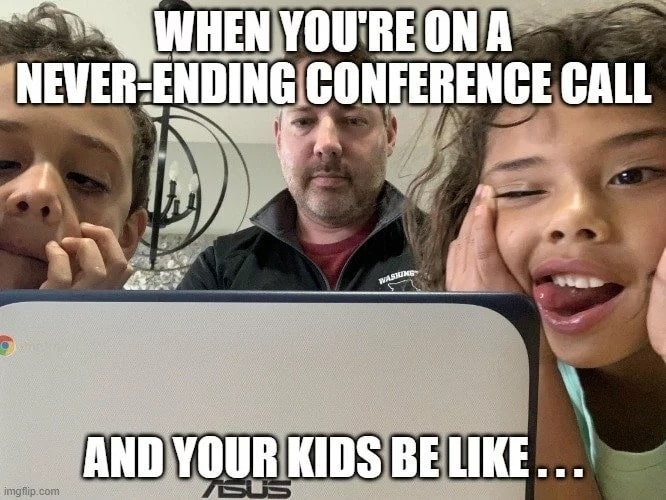
In my district, all work by all employees was remote until July 1, 2020. Beginning on July 1, administrators, lunchroom staff, and 2 secretaries per building were mandated to return to the schools in person. While there, their responsibilities were to oversee food distribution to needy families and to supervise remote summer school classes while planning for the start of the next (remote) school year. All of us were working grueling hours (albeit it from home from March-July). Vacation days were cancelled or weren’t approved. No one had any rest. The kinds of stressful decisions being made about how we would organize any sort of remote/hybrid learning for the fall; how to staff our buildings; and the myriad of other decisions that needed to be made kept us on zoom from 7am-at least 6:30PM 5-6 days a week. I still have a screen shot of a meeting that I was in that lasted well past 9 PM on a Thursday evening. Saying that it was hard on all of us is a gross understatement. All 3 of these pictures were taken on the same day (From left to right 11 am, 4 PM, 8:45 PM)

To put my own experience in perspective, I was living alone (with my 2 kitties); going through a divorce from a man who had cheated on me and stolen upwards of $100,000 from me, and was in a highly toxic, defeating, and punitive work environment. I had just started considering dating again when the whole world shut down and there was simply no where to go, and meeting people seemed even more risky and dangerous than before the pandemic. I was socially isolated from friends, family, and coworkers. I was certainly feeling overwhelmed and stressed from work – but I was also experiencing a very deep loneliness that was beyond the typical “leadership loneliness” that any school administrator eventually grows accustomed to. So like many of my peers, I turned to my digital support system.

I suppose I didn’t know what sort of solace I was hoping to find in my networking groups. But instead of comfort, I actually felt stark alienation from the very group of people that I had come to trust and rely on when I was feeling professionally burdened. I was serving as a high school assistant principal (in a building without a principal or even an interim principal), during a global pandemic. It was definitely not a welcoming or a healthy workplace before the pandemic – but COVID exponentially exacerbated the negativity and toxicity. As I scrolled through Facebook and Twitter groups of school administrators (all just as stressed and overwhelmed and emotional as I was), I actually began to feel a whole new level of anxiety and even jealousy.

While I can certainly IMAGINE that being in the house 24/7 with children and pets and working from home was probably stressful for a lot of families – it broke my heart to read complaint after complaint about “I can’t take being in the house with these kids/my husband/these dogs”. Even in my fellow school administrator groups, it seemed like everyone had nothing but negative things to say about being “stuck” with their loved ones 24/7. For those of us who were ALSO leading a school through an impossibly stressful time, but were ALSO doing it totally ALONE with no one (in person) to support us – it almost felt like a slap in the face. I felt angry and isolated. How dare these people that were so blessed to have children or a spouse (something I had been robbed of and wouldn’t get to have) be complaining about the sound of happy laughter coming from their basement? Didn’t they know that some of us would have KILLED for their “problems”? If only I could have had someone right there to hug me after an awful and frustrating work call that lasted until 9PM! While it is always easy to fall into the “grass is always greener” trap of comparing one’s life to other people’s – it was especially hard for me to keep those feelings in check in late 2020.

When I got my signed divorce papers in the mail I didn’t know what they were. It was just a plain envelope from my lawyer’s office. Since my ex-husband had been institutionalized, hadn’t hired a lawyer, and had hid from me and the entire process – I hadn’t received any updates on the ongoing progress of my case in months. Honestly, I remember running to the mailbox when I heard the mail carrier (because some days he was my only human interaction and I’d gotten into the habit of waving at him and saying hi from behind the glass). I recall grabbing the envelope out of the mailbox and expecting it to include a bill for some additional hours related to the marshals that were needed to locate my ex-husband when he hid and failed to appear in court the previous November. There are just some memories that you just FEEL deep inside of your bones even years later. (Where you were when the moon landing or 9/11 happened, where you were when your parent passed away, the smell of your house on Christmas morning, etc.) For me, opening that envelope on April 8, 2020 is one of those moments forever both frozen in time and viscerally reexperienced as a full body memory anytime it’s mentioned. I was standing in the front hallway of my house and tearing open the envelope while the smell of brewing coffee wafted in from the kitchen. The house was silent other than the Keurig bubbling in the next room. A single-spaced letter on my lawyer’s letterhead simply stated:

“Dear Jennifer, Enclosed please find a copy of your Decree of Dissolution and Property Settlement Agreement which was signed by the Judge. As of the 6th day of April 2020, you were officially returned to the status of a single person. If you have any questions please contact my office at your convenience.”

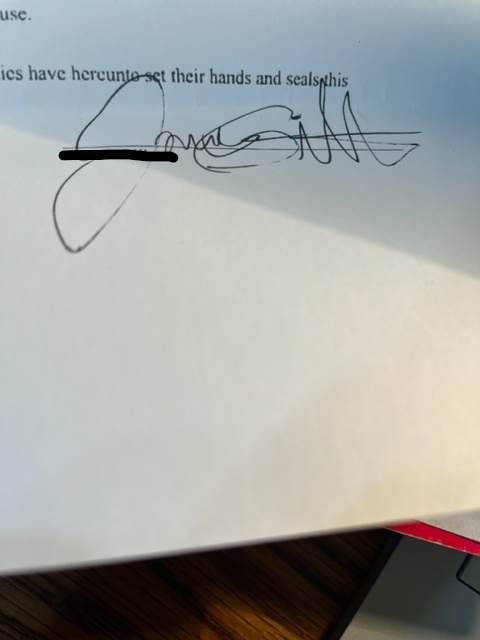
And that was it. It took me less than 5 seconds to read. I dropped to the floor like a bag of cement (my right knee cracked) and sat down like a kindergartener with my legs crossed right there in my front hallway. My hands shook and I turned to the back page. I don’t know what I was expecting to see there. For more than 20 years I had seen my husband’s name signed on a variety of documents. His gorgeous penmanship had always impressed me. He was left handed but ambidextrous. His perfect Palmer method cursive was always gorgeous and identical regardless of which hand he had used. When I saw his signature on our divorce decree I choked and cried uncontrollable tears of rage and sadness. I had never before and have never since felt more lonely in my entire life (including the period after my college house fire I mentioned in a previous post). His signature was sloppy and careless and not his usual gorgeous handwriting. He hadn’t even cared about me or what he’d done to me in the past several months to take the time to write his name properly for the court. I had had no warning that these papers were coming. I was alone at home during the height of the uncertainty of the pandemic. And every school leader that I had come to rely on for support in my loneliest moment – was griping and complaining about being home with their loved ones while I cried in an empty house. As a leader and as a human being – I had never felt so alone and insignificant in the universe.

I thought that certainly there were others like me out there but maybe they had also been quiet in the digital world. In a school leadership Facebook group that I had long been a member of – I took a big vulnerable risk and made a long post. I basically asked the question: “Is there anyone else out there doing this right now – ALL of this – but is also doing it completely alone? Is there anyone else out there conflicted and angry by seeing people with spouses & families – that are blessed to have them – and feeling isolated and pissed off when they see all these people complaining? Is there anyone out there AT ALL who is seeing the “get out of my home office kids!” with the adorable pictures of kids on their parents’ laps and is feeling incredibly jealous?” “Is there anyone else out there pissed off and TOTALLY alone?” And initially, I was overwhelmingly “supported”. People patted me on the back for running a school without a principal or district support; people praised me for being brave and facing a divorce alone; several people that also lived alone offered some encouraging words. However, much of the support offered also felt like backhanded compliments or even “leadership critiques”. Several people offered me support “but you should cut people slack for complaining about how difficult it is to work from home with kids”, or “you’re doing a great job and I’m sure it’s hard but have you considered counseling” (I was seeing a crisis counselor already). Or my personal favorite, “It must be hard to see all those posts but don’t forget that this is hard for everyone – even those who have 3 kids, 2 dogs, a cat, and a husband to keep them company!” All I was seeking was maybe a little bit of empathy and I was pleading with my support system to maybe consider how great they just may have it. A simple request to maybe consider the diversity of their audience before posting complaints, especially when some of that audience didn’t have the added “burden” (or as I viewed it – a blessing) of GETTING to do any of this with the ones they loved. Maybe it was simple jealousy. And maybe it was because I had turned to school leaders for support.

Leaders LOVE to offer advice. They get paid to solve complex problems and mentor people. They ask you if you’ve “considered all of the stakeholders viewpoints”, or if you “asked the right people for feedback.” And in a Building Leadership Team meeting or a parent conference, or any other WIDE variety of scenarios that would 100% be the correct response (and welcomed by any good leader). But in reality, all I had wanted was a “wow I didn’t realize there may be people out there feeling this way. I validate your feelings. I feel really blessed to tuck my kids in at night. I’m here for you if you want to talk or scream or yell or throw things.” Sometimes all people need is an ear to listen without being offered a toolkit for addressing their feelings. In the years since, I have consciously tried to become the empathetic listener that I had needed to break my loneliness on April 8, 2020. I have made a concerted effort when colleagues or friends have started venting about something to ask the question, “before we go on, do you just want me to listen, or would you like advice, or a combination of both?’ Or I say nothing at all and let them finish and then say “How would you like me to support you?” One person from that Facebook direct messaged me with the very simple message, “I can’t believe how hard what you’re going though must be without anyone else in your home to share it with. How can I support you?” Honestly their message just made me feel seen and heard. We had a good conversation about what loneliness really is and compared ways that we’d each dealt with it in the past. It felt 1000% times better than any of the “pity” or the “backhanded advice” I had received from anyone else. I left that group because eventually it got exhausting to reexplain my feelings or my situation to so many different people as new people came across the post and would comment. Sometimes you have to stitch the wound and let it heal and not keep tearing it open.

My experience is sort of an example of what happened to the personal and professional worlds during the height of the pandemic. Everything felt squished together in a way that it hadn’t been previously. When people left work, they left work and family time was family time. Home was home and work was work. (One can argue that the last 10 years’ worth of technology had already been blurring these lines – and one would be correct – but COVID and remote work cemented the deal.) I think that if I had been a member of a parents’ Facebook group the expectation of people discussing their family issues would’ve been more predictable – but I was in a group about leading schools. As school leaders were working from home and the lines became more and more blurred, it makes sense that the venue had a lot of cross over. Upon reflection, I can’t blame my peers for looking for solace the same way that I had been. It isn’t that surprising that their personal worlds were colliding with their professional ones and creating a whole different and new category of frustrations. We were in the same storm but we all had different boats. In the middle of a hurricane, whether in a cruise ship, a yacht, a pontoon, or a dingy – the storm is scary and it sucks. The stress on school leaders has increased to the point of crisis levels. Per an article in Education Weekly, “The Center for Creative Leadership found that, “Eighty-eight percent of leaders report that work is a primary source of stress in their lives and that having a leadership role increases the level of stress. More than 60 percent of surveyed leaders cite their organizations as failing to provide them with the tools they need to manage stress.”” We were all paddling wildly in that storm from our respective boats – but some of them were more seaworthy than others.

It is NEVER a popular move for a person with no children to tell people with children not to complain. (So stop reading now if you’re about to get offended) But nonetheless it is VERY difficult when you’re completely isolated, mourning the children you’ll never have from a marriage that unceremoniously ended after a couple of months, while also leading a school alone through uncharted waters, to empathize with someone “complaining” about getting to spend time with their adorable toddler who woke them up at 5 am. Maybe it was just petty envy, but it was a hard pill for me to swallow at the time. Even years before my marriage blew up, it always sort of irked me on Daylight Savings time when I had friends and colleagues complaining about their kids or pets “getting them up an hour early because of the time-change.”

For example, I have a high-school acquaintance who struggled with fertility. She had her sons at 38 and 40 after years of heartache and disappointment. Prior to her sons being born, all she could talk about was how badly she wanted children. Then she had them. And ever since then (but especially during the pandemic), she has frequently complained about how “mom tired” she is, how early her kids get her up on the weekends (she’s always loved to sleep until early afternoon), and is a prime “daylight saving time” griper. In April of 2020 when it came across my timeline (fresh off that crushing divorce paper delivery), I simply commented “maybe you should phrase your fatigue as a scenario where you GET an EXTRA hour with the children you so desperately wanted, while those of us without them to hug right now might be feeling an extra hour of absence or even envy or loneliness.” (Let that hypocrisy flag fly there as I did exactly what I was complaining that my colleagues had done to me when they asked me to consider my stakeholders lol) I am normally a champion of being grateful. Most of my life I have been grateful for everything that I have and have always tried to squash any tempting “the grass is greener” feelings. Most of the time I am a happy, content, peaceful, and relatively zen person. But April of 2020 wasn’t one of my finer moments. Whether it is fair or not, I do somewhat still internally judge parents who are always complaining about their kids. I 100% identify that I can’t relate to their personal family dynamics and the challenges their children pose. But I’ve learned how to accept my own personal reality and celebrate what I have rather than mourn what I don’t since then. I do however, feel like 100% of all people can empathize with loneliness.

In the time since April of 2020 my life has been completely transformed. I have a great job in a place that is supportive and healthy and non-toxic. I have a great and happy and functional relationship. I have a supportive and high quality (albeit it small and tight) social circle. My work-life balance is decent (although during teacher evaluation season it is less awesome). I don’t look back on that time with regret or anger or sadness. Instead, I prefer to think about the insight I gained on listening and empathy that I now have as a result of that period of my life. While I didn’t know it at the time, my being vulnerable, reaching out, and not quite getting what I needed was a great training exercise for me to become a better listener and communicator. It will always be like poking a scab for me to remember the way that I felt opening that envelope in my hallway all alone. But it’s a nice point of comparison when I think about where I am in my life right now and all of the wonderful colleagues, friends, and loved ones that I choose to surround myself with now. By learning what I needed in and from a support system – I feel like I was able to (painfully) grow and become a more supportive person myself. I would like to believe that being an empathetic listener who isn’t “leading” or “advising” all of the time makes me a better partner, friend, and leader for others.

Cult of Negativity

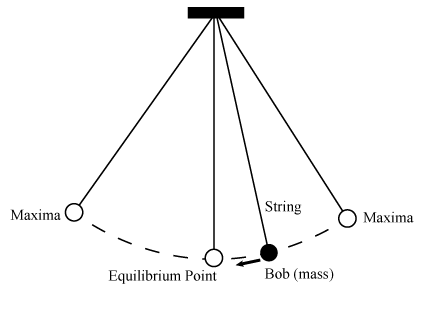
The age of COVID-19 has (yet again) pushed teachers/schools/administrators/school districts into the limelight in a very familiar way. From March-June of 2020 all the “OMG teachers are HEROS! DOUBLE THEIR PAY!!” hysteria took flight all over the internet. For a hilarious take on this check out Key & Peele’s TeacherCenter Videos. As an educator of 20+ years, I viewed the positive press with dubious optimism. In school administration, my colleagues and I often speak about the “pendulum.” The pendulum always seems to swing too far in one direction and then a few weeks, months, presidents, etc. later – it snaps back in the other direction jarring educators and shocking the system until (like all pendulums) it settles into an equilibrium point. Here is a list of just a few examples of the pendulum “swinging too far”:

  • Standardized testing. (From “hey let’s do this a couple of times in your academic career so you can compete to get into college if you want to – to “we’re falling behind the rest of the world OMG let’s test 8 times a year, judge teachers and schools on their scores and punish those that don’t perform, to hmm we’re worried kids are tested too much and a lot of colleges aren’t even requiring these tests anymore but we’ve gotta judge the teachers and schools somehow so let’s keep it up – yes even during COVID)
  • School safety/discipline. (From open-door policies, zero-tolerance and metal detectors, to ‘metal detectors make schools feel like prison, to Restorative Practices, to no zero-tolerance, and now onto “post-covid behaviors are out of control let’s go back to super punative again”)
  • Etc., etc., etc……
A simple pendulum – mentally insert any educational policy ever invented onto the illustration.

The list goes on and on. But in general most school leaders that I know watched all of those “Teachers are Heroes” reports on the news in 2020 with trepidation – all of of us knew that it wouldn’t be long before we’d all be villainized again. I firmly believe that if COVID-19 had just suddenly disappeared in June of 2020 and we returned to school as “normal” in the fall of 2020 with the pandemic just a distant memory, the pendulum wouldn’t be swinging so wildly now. Maybe schools would even have gained a ton of respect and gratitude and would have gained legions of parental involevment and support by grateful parents fresh out of pandemic learning. But as any teacher or administrator who is currently trudging through what most of us consider to be BY FAR the hardest year that we’ve ever had, will tell you – instead it’s been a rollercoaster. To see the same parents who were screaming for us to get raises in March of 2020 now screaming at us and complaining about every decision made since returning to school in August of 2021 – just stings. Actual assaults of school board members, principals, and teachers over mask mandates, elearning options, and hybrid schedules (that were all implemented with the express goal of protecting children) are a far cry from the “PAY THEM DOUBLE THEY’RE SAINTS!” rhetoric of April 2020. Feeling that pendulum swinging has definitely been a demoralizing and often frustrating experience for all teachers and administrators. In truth, I don’t know a single educator who isn’t experiencing an unheard of level of stress, depression, anxiety, burn out, or PTSD in some form or fashion brought on by the pandemic.

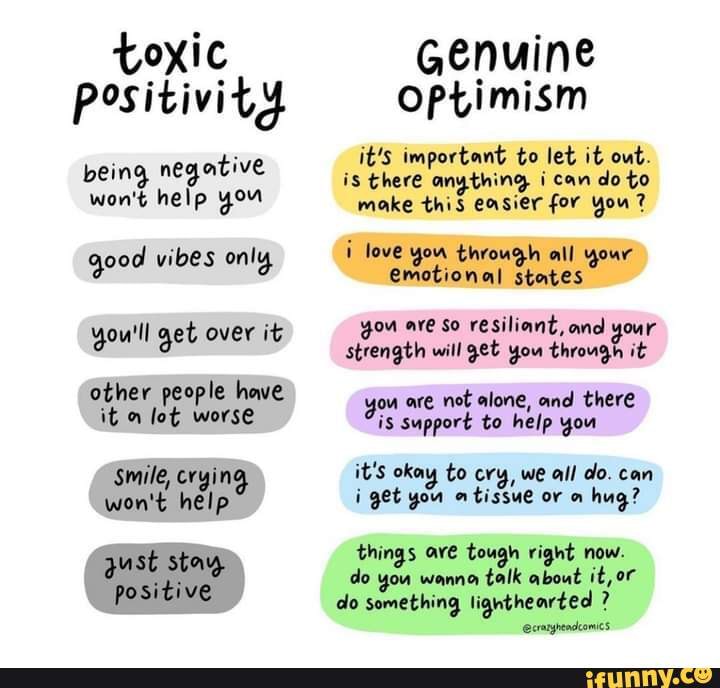
During the pandemic, the concept of “toxic positivity” and it’s impact on teachers began to get a lot of attention. Examples of “toxic positivity” in schools include the overuse of the sentiment, “it’s not about us it’s about the kids,” or administration holding a “wellness day” where staff are required to participate in “self care” activities for a day but the very next day the real issues causing burn out aren’t addressed.

Toxic Positivity Vs. Optimism

And toxic positivity in schools IS certainly an issue. There’s NO denying it – but there’s also an insidious force working inside of many schools, within groups of educators in person and on social media that I refer to as the Cult of Negativity. And the most discouraging part is that many that are deeply involved in the Cult of Negativity are some of our very best teachers – who don’t even realize that they may be contributing to it. The trials and tribulations brought on by the pandemic have made this Cult of Negativity so much more prevalent and active – especially virtually.

Some people do just want to be like Skeletor!

When you move from the classroom to an administrative position in schools – a lot of your teacher friends accuse you of “turning to the Dark Side”. To be clear, being a teacher is VERY difficult. It is hard and very demanding work (both academically and emotionally). The work is stressful, and it is often incredibly thankless. But when I look back on the very worst of my teaching days – they were still a lot less overwhelming or demanding than my days as an administrator. If you take all of the difficulty, demands, stress, and the thanklessness of teaching and multiply it by about 100 times you get to the level of stress on deans and assistant principals; now if you multiply THAT amount by 100 and you get the principal’s level of stress. Then of course you multiply that some more and get to the Central Office amount of pressure. Often school leaders don’t/can’t talk about this pressure and intensity because part of our role is to support our staff – we aren’t allowed to “break” or to show weakness because it “lowers morale”. Also – if you do try to be vulnerable with your staff or teachers, the frequent (and insulting) response is the dreaded comment, “that’s why you get paid the big bucks!” So we close our office doors on tough days, scream into a pillow, eat the chocolate hidden in our bottom drawer, and slap a smile on our face and visit some classrooms. We confide in our closest colleagues and our pets because there are a lot fewer leaders than there are teachers. Our circle is much smaller and there are a lot fewer people who know what it really feels like to do the job. One of the toughest parts of the COVID-19 pandemic was the constant barrage of “support the teachers, support the students, support the parents, etc.” and there was often no one for us to go to for support. A lot of the pushback against “toxic positivity” was coming from teachers and directed at administration. As a building administrator, a lot of this criticism was directed at my team because we were the ones delivering the messages – although many of those messages were coming from Health Departments, Governors, or State Boards – nor ourselves.

One example of this occurred at one of my previous schools. Building administrators were directed to improve morale and make sure our teachers felt appreciated. Since anything that my team did for our staff of over 120 teachers basically had to come out of our own pockets – we couldn’t really spend $1000’s. So we made them a cute make-your-own caramel apple bar and told them to help themselves to some “apples for the teacher”. My team and I went classroom to classroom to relieve teachers to ensure they each got a break to make and eat their snack and socialize.

Like Mother Teresa says – the joy of giving is pure joy. But being told “Thank You” is also priceless.

The teachers (many of whom we had very positive relationships with), knew we had spent our own money and that we meant well – but they didn’t want caramel apples – they wanted extra planning time. So when I saw their hurtful Facebook posts about “Thanks for the apples but I still had to do x, y, and z”; admittedly, it stung. What they WANTED were things that were outside of our locus of control to give them. Only the district or school board or governor could give them that. So my team and I were stuck in the middle. We had been DIRECTED to do something nice for our teachers – while what the teachers WANTED wasn’t something that we were able to give them. The teachers knew how hard we had advocated for them behind closed doors and begged for things that we just couldn’t get for them. But the building leaders took the hit/blame regardless. Meanwhile, when teacher morale is low – district leaders look to building leaders for answers/blame. Despite being a big part of the job, that’s tough on building leaders’ morale. We had spent our own money to bring a little cheer into our staff’s morning – we had done what we COULD to show our support. But of a staff of 120 – a total of TWO people thanked us. (Not that we were looking for thanks). But at least 40 complained or went out of their way to mock our gesture. On top of that, upper administration also fired back with “why is your building’s morale still so low? You were told to address it.” As a building leader you are often stuck in between these two opposing forces and you take the negativity from above, below, and outside simultaneously. It begs the question: who is taking care of the building leaders? And who will lead when and if they all give up and leave?

Concern for school-level leaders’ morale is not necessarily a new problem. PRIOR to the pandemic 1 in 5 school principals was already considering leaving their position due to stress. Now, the numbers are much higher. Peter Dewitt addresses this in his Education Weekly Article from 2020. Since then, the numbers have become even more bleak.

“A recent poll by the National Association of Secondary School Principals (NASSP) and Learning Policy Institute (LPI) revealed that “42% of principals across the country said the pandemic has accelerated their plans to leave the profession.” That’s too many of our school leaders feeling as if there is nowhere to turn but away!”

https://www.edweek.org/leadership/opinion-principals-assessment-were-not-ok/2022/01

While I personally am quite happy in my current role, I know that out of all the stressors that I face on a daily basis – almost none of them are actually the children. My top 5 stressors tend to change in priority from day to day – but almost always parents and teachers are near the top of the list. To be clear, I LOVE to support teachers. I consider it one of my professional strengths to coach teachers and assist them in truly improving their instruction and making positive changes to improve their relationships with students and parents, helping them to create thriving learning communities, and addressing the learning needs of their students in proactive and effective ways. I have a good coaching relationship with almost all of the teachers that I work with. We have friendly, productive, and collegial relationships. I DEFINITELY do NOT work in a toxic environment (although I certainly have worked in toxic places in the past). Despite all of that, I definitely work with some people who engage in what I call the “Cult of Negativity” (many without even realizing that they are doing it).

I have to admit, that when I was a Social Studies Teacher at a 6th-12th grade campus there was a period of at least 2 years when I was an active member of the Cult of Negativity. I had NO idea that I was being negative or toxic at the time. In my classroom then, I was very much at the top of my game instructionally. I was experienced, I was positively impacting my students’ test scores, and I had great relationships with most of my students and their families. I participated in a wide variety of school and District Curriculum Committees, and considered myself a teacher-leader at my school. But on the flip side, my campus was instituting an iniative called “meticulous lesson planning.” (I can literally FEEL teacher-readers groaning at the name alone). Our overall schoolwide achievement data was suffering. Our average ACT score was maybe a 17. Our School Improvement Goal was to get it up to at least a 20. A professional consultant was hired to observe the school all day everyday for a month and then make recommendations based on the instructional trends that they saw. One of the items that was considered “low hanging fruit” (easy and fast to implement without a lot of training) was a cycle of meticulous lesson planning, using a research-proven template that forced teachers to address a certain continuum of student skills on a weekly basis.

Submitting lesson plans is ALWAYS a hot-button issue for teachers. Great teachers get offended because “it’s a waste of time, I already think about and do all of these things why are you making me write it down? If you want to know what’s going on in my classroom just come in and watch.” There are entire blogs, Facebook groups, and Instagram pages created by great teachers trashing the idea of submitting lesson plans. Even teachers that are struggling/aren’t as strong hate doing it because they’re already drowning just trying to keep their heads above water and would prefer to spend their time on other things. Oftentimes administrators also hate it because there aren’t enough hours in the day to observe all the classrooms and read all the lesson plans AND handle student discipline, etc. And frequently, lesson plans do result in difficult conversations between administrators and teachers (even their best teachers) due to plans not being submitted on time.

I HATED the meticulous lesson planning school improvement process. I resented having to write and turn in approximately 12-page voluminous lesson plans daily to my Department Chair. And I’m sure my Department Chair didn’t exactly love burning the midnight oil giving all of his teachers written feedback on their plans either. In retrospect, our administration definitely could’ve presented it to us so the process was more well-received and so that teachers bought into the process. (Maybe we could’ve alternated every-other-day or every-other-week to lighten the load and make it more manageable for everyone. Maybe some other initiatve could’ve been taken off of our plates in order to make it manageable.) But regardless of what wasn’t done to make the medicine go down easier, we were going to submit our meticulous lesson plan templates every day and our Department Chairs would give us feedback. I’ll be the first to admit – I’m a rule-follower. I comply. I did my lesson plans. And I HATED every second of it. I bitched and bitched a blue streak to my colleagues in the teachers’ lounge, I rolled my eyes about it in meetings and completed what I openly called an “exercise in compliance”. But I was never insubordinate. I never was outwardly disrespectful to my supervisors or administrators. But when I reflect on it now, my complaints to my colleagues about it were contributing to the Cult of Negativity.

In retrospect, even though I LOATHED every second of those meticulous plans – I have to admit they DID make me a better teacher. They forced me to preemptively put on paper possible student misconceptions. They forced me to pre-plan what questions I would ask to which students in which class periods. At the time I THOUGHT that I was mentally doing all of these things a LOT more often than I truly had been. I actually learned through doing the painful process that I called on girls twice as often as boys (despite having twice as many male students). I discovered that I was assigning more homework than I really needed to, and that I wasn’t giving students as much input into the curriculum as I thought that I was. This process pushed and challenged me in a way that I never would have done on my own without doing meticulous lesson planning. Why would I have? I thought that I was an experienced profressional who “knew what she was doing, and deserved the trust and respect of administration.” But is being “good enough” a reason not to get better? As a result of participating in what I considered a “stupid exercise in compliance”, at the end of the year my students’ test scores grew MUCH more than they had in previous years (despite the fact that I was already considered a “strong teacher” by my administrator and myself ). If I had never gone through that painful growth process, my students would’ve still learned because I was proficient – but the lesson planning process REQUIRED me to be more intentional than I had ever been. It FORCED me to attack certain parts of my planning that diagnosed issues and student needs in a much more fine-toothed manner that I had been doing previously. Once I worked at a building where lesson plan submission wasn’t required at ALL – I was still mentally going through a lot of the steps that that hated template had taught me and was doing it naturally. But I had no idea if my colleagues were being intentional or not because they weren’t even required to write anything down ever. To a certain extend the old adage is true – you can only expect what you inspect. You can’t inspect what’s not even visible.

Kindergarten Cop – always an inspiration!

Now if I had been a poor teacher to start with – this process would’ve still made me become an intentional planner – more well-prepared for the types of things that can go off the rails during a lesson and handle it in a poised manner. If I was a really bad teacher – it might’ve pushed me to become at least OK enough to make sure students didn’t backslide – to ensure that I wasn’t HARMING the kids that I was in front of everyday. The reality is that we should grow teachers and make sure they continue to improve (even the experienced ones who “know what they’re doing” aren’t perfect and can always be better). But the reality ALSO is that students only get ONE chance at First, Eighth, Eleventh, or any grade. And as school leaders – it is our RESPONSIBILITY to “do no harm”; and guarantee that teacher quality ensures that each student grows at least one year’s worth of knowledge/skill level/grade level each year that they are in front of us. And that if their teacher isn’t that intuitively strong or is struggling – it’s a leader’s job to ensure that they are ADEQUADE ENOUGH to ensure that a child’s education is still positively impacted. If you went into a hospital for a surgery to have a basic operation to remove your tonsils in a routine operation and were operated on by the intern that had already botched 3 or 4 previous surgeries – I would HOPE that their supervisor had gone through their surgical plan with them in detail before allowing them to pick up that scalpel and operate again. If something went wrong not only would the intern but ALSO their supervisors be committing malpractice. Our students are BEING OPERATED ON and are trusting our capable hands. If we have hands that we aren’t sure about in the operating room or hands that sometimes shake when they get nervous – we have to constantly supervise them, insepct their work, and make sure that those hands either become capable enough to do routine operations effectively and safely – or we need to find them a job at the hospital (or somewhere else) that is better suited to their skill set. At the end of that year of meticulous lesson planning – AS A SCHOOL – we didn’t have ANY teachers who were weak enough to have to be dismissed. Our test scores went up, school culture improved, and we met our School Improvement Goals. I’m still very proud of the progress we made as a building that year. Sadly, I’m a lot LESS proud of my own behavior that year.

At one point, my Department Chair met with me in private and told me something along the lines of, “You’re a REALLY great teacher. And even though you HATE doing it – this process is making you even better. But you acting like you don’t need this process because you’re already a good teacher, or that you hate it – that sabotages the idea that as a SCHOOL we need this. Here’s the problem with good teachers – you don’t understand that not all of your colleagues are doing what you are – that they NEED to LEARN how to teach or to improve their methods. They need to go from good to great; and great to awesome. Some of them AREN’T that “naturally” good and just need to get to adequate so they can get to good and then to great. And everyone can push themselves. Even Stallone has some weak muscles and has some exercises he HATES to do but needs to do to really be his best right? Don’t be a disgruntling factor. Part of improving as a group is being positive about things that maybe we don’t want to do. Disagree in private. Make your concerns known at the leadership meetings. But cheerlead in public.” At the time, I misunderstood his point – I felt chastised. I thought he was trying to tell me not to share my concerns or ask questions. In reality, he was trying to encourage me to use my powers for good and to help be a positive leader. Now, I’m grateful he had the conversation with me. I still FULLY encourage teachers to ask questions or raise concerns. I WANT my teachers to say “look what’s the point of this? I’m already doing this stuff or I think it’s a waste of time because…” I don’t want them to swallow their concerns, silently comply without seeing the value, and then hit the real or virtual Teacher’s Lounge and just slam the process. But I do want them to understand that everyone can grow and when every plant in the garden is thriving – the whole crop benefits.

Kindergarten Cop – Always an inspiration of how much a teacher can grow when motivated properly LOL.

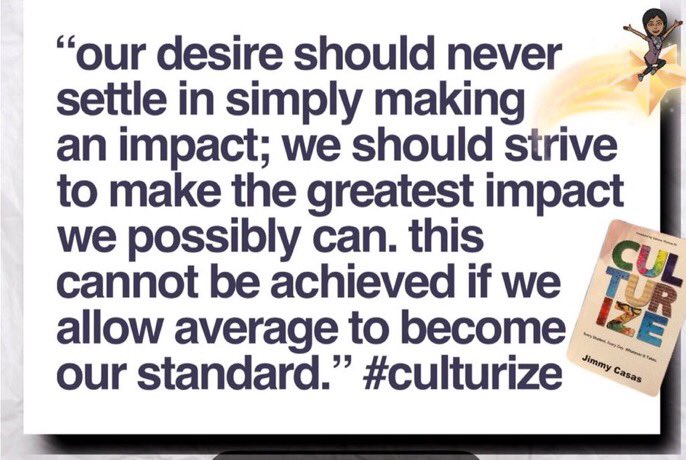
The Cult of Negativity happens anywhere there are GOOD or GREAT teachers who don’t see the value in something that other teachers (maybe even themselves) may genuinely NEED to do and trash talk it and tear it down. One of the dangerous impacts of this is that 1. As a teacher you really don’t have a LOT of insight on what your colleagues are doing (unless you’re lucky enough to co-teach with them or are able to observe other teachers’ classrooms a LOT) and 2. It creates a safe space for teachers who really do need dramatic improvements to feel comfortable in mediocrity and it can breed a toxic environment. As a teacher, I rarely got the opportunity to be in my colleagues’ classrooms on a regular basis. People that I assumed were doing the same quality of work that I was doing – turns out – weren’t always. Even I was doing well but not as great as I could’ve been when I was pushing myself. When everyone takes that approach that’s how a school/classroom/district becomes average. Jimmy Casas – one of my heroes – sums this up perfectly in his book Culturize.

When I first became an administrator, teachers that I had assumed were consistently amazing based on my own experiences with them, were actually giving 11th graders word searches and using 6th grade reading materials in their high school classrooms. Maybe not everyday – but often enough to be questionable. With only 180 measely days of instruction in a school year (which is really closer to 150 when you subtract state testing, special events, field trips, etc) time is just too precious to waste. All of a sudden I was wondering “wait a minute – if they were doing meticulous lesson planning and getting constant feedback on the impact of their daily activities this probably wouldn’t be happening. They wouldn’t just have some great days they’d be consistently great. The impacts on students would be greater.” I got the opportunity to observe teachers that I had openly complained to about the worthlessness of lesson planning teach without having a plan – or poor plans. I had blindly and loudly put my complaints out there without thinking about the value to people who needed the improvement WAY more than I did (while admittedly I needed it too). These people were impacting the education of 150 students. REAL students who had to grow academically and whose REAL lives depended on the education that their teachers were providing them (or NOT providing to them). Students who don’t get a do-over the way that a teacher can learn from a school year that wasn’t their best.

One typical sticky point for teachers (and coincidentally for middle school students) is that often directives are given to ALL teachers when only SOME teachers truly need them. And that’s 1000% true. Eventually, once I had been observed a bunch of times, and had really reflected and improved on my meticulous lesson plans and classroom practices, I was gradually asked to do less and less of the template and focus only on a couple of targeted parts of my plans – personalized to my own specific areas of growth. Unbeknownst to me, other teachers needed a lot more work to start with than I did. So the plans were rolled out like any MTSS process. Once 80% of teachers had made gains, they needed to do less voluminous plans and focused on only their personal areas of growth, the other 20% of teachers needed more detailed or alternative plans. But you don’t know who those people are and how to focus on them UNTIL you can do a needs assessment of your whole staff. Additionally, union contracts often DO take an all-or-nothing approach. Many contracts don’t LET administrators have those coveted “separate procedures” for certain teachers based upon “perceived” abilities. So you either have everyone do ALL parts of the plans – or have no one do any. And that hardly will move your building in the right direction. It will keep it standing still. At the time, the teacher’s contract that I was functioning under didn’t ALLOW administration to have different expectations for different teachers UNLESS a teacher was already close to dismissal. Why wait until someone has basically already failed before improving their practice? So unfortunately, while many great teachers would be fighting hard against the lesson plans because they viewed it as a waste of time, they’d ALSO be saying “just fire the teachers who aren’t good” – but how can you determine who those teachers are (or have the required documentation to do so) unless you have different and targeted expectations for growth for those that are struggling? Things that you often aren’t allowed to have because the legal contract states everyone must be evaluated in the exact same manner? As an administrator, it can definitely make your head spin and your vision blurry.

Which way is up?

Social media adds a whole new layer to the Cult of Negativity. It offers teachers great ways to connect, share awesome ideas and projects, provide support and encouragement to each other, it can function as a virtual PLC, and a place to laugh about the daily or weekly stresses or issues together in solidarity. But also, social media has allowed the Cult of Negativity to spread beyond the teacher’s lounges of individual buildings and become worldwide. Sadly, when I see Cult of Negativity posts slamming school initiatives, building administrators, and schools in general I often feel like GOOD and even GREAT teachers – through well-intentioned (and often-times called-for) venting are actually creating a safe-space for some of those problematic adults in our schools to gain legitimacy and feel like nothing they are asked to do is worthwhile. Jane Morris, a teacher and the author of Teacher Misery and moderator of Teacher Misery on Instagram is one of my favorite teacher communities to go to when I’ve had a tough day and just want a chuckle. I bought her first book immediately after it came out and laughed out loud many times while reading it. I lent it to several teacher friends of mine and we had a good laugh. I’m glad Jane creates a space for teachers to vent and share their frustrations.

I don’t know Jane, and I have never seen her teach. But the voice she speaks from leads me to believe she’s an expert at her content and that she is probably a really great teacher. However, I do not believe for an instant that all of the content on her Instagram page is helpful. There are whole strings of posts slamming initiatives, administrators, etc. And a lot of those intial posts are probably WELL-EARNED and examples of poor leadership or poor decisions. But my concern isn’t even with those things – I have a thick skin and can certainly admit when leaders make garbage choices or put teachers through the wringer. Hell, I’m usually shaking my head and laughing right along with the audience. By all means when things are ridiculous – please do poke fun at it and point it out, etc. My concern is with all of the COMMENTS and followers that put GREAT teachers in a position where they are unintentionally contributing to the Cult of Negativity. Sometimes when I dig deep down into the comments and see some of the negativity I can see through the venting to problematic behaviors. All of the GOOD or GREAT teachers who are taking what they see at face value, assuming that whomever is posting that something is “ridiculous” is a teacher of their own high caliber or doesn’t actually need that “silly” task being posted about in order to grow; contribute to the creation of a safe space for mediocrity or excusing a lack of a desire to grow. As a teacher, one of the things we always teach students to do is to be a critical reader. To understand that each author has their own motivation and interpretation of events. I often wonder if Jane reaches out to the people who send her things to post to find out the full story – or if it would even matter.

Somewhere between the multiple perspectives is the truth.

A former administrator of mine mentioned once to me that it’s easy to slam district and school administrators because teachers (through HR laws and union contracts), and students (through confidentiality laws) get to share their version of events and are protected in doing so. Due to legal reasons, buildings and districts often can’t “set the record straight”. They can’t come out and say “well the teacher in question got written up”, or “the student lied and here’s what actually happened..” Oftentimes, it actually IS a district supporting the teacher by NOT setting the “record straight”. It’s easier to take the brunt of the negative Facebook comments wondering “what is that principal thinking?” than it is to take the toxic blowback from pubicly throwing one of your teachers and/or their mistake under the bus. Oftentimes taking the hit as an adminsitrator is HOW you support your teachers. Teachers often claim that they want their administrators to support them – but don’t always get to SEE the invisible ways that they do that – by shielding teachers from lawsuits by requiring documentation, by shielding teachers from the brunt of a parent’s anger by taking it ourself, by doing what we need to do to keep the school community calm so that you can do what you need to do in your classroom. The leader of the building lugs around the heavy shield/umbrella so that the rain doesn’t get you wet. But they don’t/can’t change the rain into sunshine.

“Why can’t they just make it brighter in here???”

I believe schools are a complex community with a lot of stakeholders. I love teachers, students, parents, and yes even (these days especially) school administrators. When an event occurs – be it a student getting a detention, teachers having to submit lesson plans, a student being brought back to class after a disciplinary infraction, or a new Math curriculum – everyone involved in that situation has their own lens and perception on what occurred. And unfortunately, teachers don’t/won’t always have the whole story. Teachers will be the first ones to tell you they want more information and the “full story” or to be communicated with openly. But due to Human Resource laws, student and parent and medical privacy laws, and just plain discretion – sometimes not every stakeholder GETS TO have all the information that they really desire. In order to become a teacher – you have to have mastery and knowledge of your content, teaching and learning pedagogy, etc. Once you pass your exams, fulfill the requirements, and get your degree you can apply for your teacher certification and are charged with teaching your students. But, unfortunately, teacher training programs (at least in my state) do NOT include school law courses, or state or local school board governance policies, or human resources training. I didn’t have that training or knowledge when I was in the classroom; and once I got it in my Leadership Program I sort of looked back on a lot of my past complaints and cringed a little (or a lot). Honestly, I think a lot of teacher-negativity wouldn’t happen at all if teachers knew/realized what was legal and what wasn’t. For example, when I was at the High School level – many teachers lamented that cell phones shouldn’t be allowed in the school at all and were always asking us what consequences we could give the students. Currently, in my state, it’s actually against the law to prevent a student from bringing a phone into the school. Once teachers knew what we COULD and COULD NOT consequence students for – we worked collaboratively on a student cell phone policy that made sense for our building. If all teachers had some sort of school law background (even a minimal one), a lot of grumbling could turn into collaborative problem-solving rather than an “us vs. them” grudge match between administration (who admittedly often forget that teachers don’t know these things), and school staff.

For 20 years, at every school where I have ever worked – teachers have ALWAYS stated that they want to know what consequences students will receive. “If a kid does X their consequence will be Y.” In my state, schools aren’t legally ALLOWED to have set Act A = Consequence B – systems like that. It’s literally against the law. Teachers still ask me every single day “If they do X will their consequence be Y?” In response I say, “well once a teacher gives me a disciplinary referral there are a range of consequences that I can issue based upon the individual situation. The range can go anywhere from nothing to a phone call home, a parent meeting, a detention, a restoration, lunch detention, service learning project, apology, in or out of school suspension, or other.” That is often frustrating to teachers – who have a strong desire for “fairness” and “justice”. I was frustrated by my own administrators because of this when I was in the classroom. But the reality is that once you have asked someone else to discipline the child for something – that is the range of options that they have to choose from – and that may vary from what you, the teacher would prefer. The outcome may vary from student to student or from incident to incident. It may not be “equal” from one student to the next. However – equality is giving everyone the same thing – equity is giving everyone what they need.

I have had success in discussing this with teachers when I frame it as an employer/employee scenario. I ask my teachers, “if you were late everyday for 2 weeks what consequence should I issue you as your employer?” They usually say something along the lines of a write up or a warning. When I ask them, “Ok but your husband just got released from the hospital, your mom died last week, and your car broke down and you’ve never been late before this in 10 years. Your colleague across the hall has been late everyday for 2 weeks because they stopped for coffee. Should you receive the same consequence? The union contract says you should. Both of you are adults who should know to be on time to work daily. But each of you would bring your union rep to the meeting to plead your case. At those meetings, a fair consequence would be decided for each of you that might not be the same and the results would be private between me, you, HR, and your union rep. It wouldn’t be broadcast to your colleagues. Two students who do something in the classroom get sent to my office – they aren’t adults who have been taught to do x, y, or z yet – they don’t have a union rep, and they do still have a right to privacy, and legal rights as well. Why would we give more leniency and grace to adults (who arguably have been taught and already know better) than we give to children who also have rights (but not union reps)?

I once was complained about to my superintendant by a teacher for “not issuing a consequence” when he wrote a disciplinary referral for 2 students that were throwing snowballs at one another as they arrived at school in the morning. The teacher felt that my making the students write 3 apology letters (one to the bus driver for causing unsafe conditions, one to the principal for disrupting the parking lot, and one to their parent(s) for representing their families in a negative light) wasn’t a consequence. When I told him that learning how to admit to one’s indiscretions, apologize in a mature and respectful manner, and move on to not make that mistake again IS a consequence and a life skill that one isn’t just born with – the teacher became irate. He yelled at me (in my face), that they had to be “made examples of” so that the other kids “didn’t think they could get away with throwing snowballs”. When I told him that they weren’t “getting away with it”, he told me that I was creating an unsafe school environment by “allowing kids to think apologizing is enough to rectify the situation.” Sidenote: Being raised at Catholic school – I’m fairly certain that even the church states that God forgives you (even if you’re a serial killer) if you’re apologetic and repentant for your sins.

When I brought the students to the teacher to apologize to him – he refused to accept their apology. (A process that it had taken me 1.5 hours of meeting with them, calling their parents, and writing and rewriting with them). I had gotten them into a mature emotional place where they realized they were wrong and were ready to apologize. Instead the teacher rolled his eyes and acted like they got off easy. It would’ve been easy for me to give them a detention and call it a day. (In fact – one of them begged me for the detention instead of having to apologize). But would that have changed their mindset or their behavior? Instead the students that had made all this growth – got the impression (from the ADULT), that all the time and effort and emotional lifting it had taken them to get ready to apologize was wasted.

Later, when I met with the teacher he became irate – he stated, “I’m not accepting that apology it’s not a consequence!” I told him, “As adults it’s our job to model to students how to be gracious. Do you think they’ll have a positive relationship with you now that you’ve sent them the message that only punitive punishment would’ve been effective?” He told me, “I wrote them a REFERRAL! I could’ve just given them a detention myself – but I wrote a referral because I wanted them to get a REAL CONSEQUENCE and be an EXAMPLE for the other kids.” I responded, “Yes, you could’ve just given them a detention (which is in fact a consequence), but instead you gave the decision-making authority to me when you wrote the referral – which I’m then able to choose the consequence for. I apologize that you disagree with my decision, but it’s my job to address negative behaviors in a fair and equitable way on an individual basis and not to “make examples” out of students. For example, if HR wrote you up for screaming at me in an unprofessional manner about this detention – I wouldn’t make it public to the other teachers that I had written you up so as to “make an example of you” so that none of them yell at me in the future. In fact, I’m fairly certain that you’d call your union rep if I treated you that way. It’s my job to be the students’ union rep.” I bring that story up because many of the teacher-venting sites out there have comments that only tell one side of the story. And sadly, not all teachers know what consequences or actions are LEGAL or not for administrators to give. As a result, there’s this Cult of Negativity where behaviors like the teacher that I mentioned are inadvertantly supported. If that teacher with the snowballs had posted on the Teacher Misery instagram, “Kids threw snowballs! Admin DID NOTHING!” it would have generated like 5000 supportive comments. Sadly that wasn’t the truth and created a space for this particular teacher, (who I don’t really think is what’s best for kids), to feel like his own actions (which were never addressed or mentioned in the post) were totally fine. Like all social media – negative teacher venting/student/teacher/admin bashing can shroud the truth in someone’s personal perspective. It’s important to remember that there are always multiple sides to every story and multiple perceptions.

The reason school administrators often get a bad rap and take the brunt of this – is because we follow confidentiality laws that don’t ALLOW us to put the facts of the case out there. So all anyone has to go on is a teacher’s word or a student’s word. It’s a heavy lift and it can be a little frustrating or demoralizing sometimes – but the reality is that I will NEVER stop making kids apologizing for what they did wrong. Apologizing isn’t easy. It isn’t a skill that someone is just born with. But it’s something we all need to know how to do effectively if we want to be productive members of society. Now I also believe that there are school laws whose ramifications can lead to frustration within school communities. I do believe that students should have due process and that schools shouldn’t be suspenion-factories that feed the school to prison pipleline. But I also believe that a lof the pendulums have swung too far and that that has made it seem to many teachers as if students with serious disciplinary issues aren’t receiving consequences – at least not the punitive ones that some people feel are warranted. However – I would encourage teachers who feel this way to get engaged in the work of changing school policy. Chances are your district and building leadership aren’t acting unilaterally. Schools have legal counsel who guide their decision-making process. If the problem IS the law, lobby, petition, join a committee, and work on the real issue. I didn’t truly learn about what it really took to create or change a state educational policy until I did a Teaching Policy Fellowship. It completely changed my perspective on who actually makes educational decisions and what exactly is entailed in the process. Some great places to start are with organizations like Teach Plus, The New Teacher Project, and TCTA (for you Texans out there), and a wide variety of others that can be found with a quick google search.

The internet is rife with stories of school administrators bullying, harassing, or bothering teachers. I do NOT discount any of those stories and often use them as an example of what NOT to do and how NOT to treat my team. As a teacher, I was bullied by an assistant principal and it was NOT fun. So while administrators bullying teachers IS a serious problem – bullying is sadly rife at all levels of school communities. You’d think that with all of the teacher groups out there on Social Media where teachers support one another, that teachers within buildings would be doing so. Unfortunately, teacher-on-teacher bullying is a massive contributor to the Cult of Negativity. Anecdotally, I myself have seen the following things happen to teachers (perpetrated by their peers):

  • A teacher would run copies at the copy machine then run back to her classroom to get something and another teacher would unplug the copy machine so that the teacher’s copies stored in the memory never ran.
  • A teacher who disliked her special education co-teacher would bully her by locking her out of her own classroom so that she couldn’t access the room until the other teacher decided she could.
  • At a school where there were no substitutes: teachers posted the class periods that they needed each other to cover them for on a “Sub bulletin board”. One teacher had her postings consistently torn off and thrown away so she never had coverage.
  • Teacher being purposely given the wrong time for a meeting so she’d be late and embarassed.
  • Numerous experiences where a teacher would “tattle” on a teacher (using a fictitious claim) to an adminstrator, parent, etc. leading to complaints being filed against a teacher who had done nothing wrong.
  • I saw a new teacher at the beginning of her career bullied out of her entire profession by her peers on her own team ganging up on her and creating a toxic and purposely stressful work environment for her.
  • A teacher who was bullied by her peers for being Muslim.
  • A teacher who was bullied because she took the High Holy Jewish Holidays off and needed coverage by her peers.

These are just the ones that I thought of in 5 minutes. In my 20-year career there have been many more examples and those aren’t even including the things that have happened to me. This letter to teacher bullies written by a teacher expresses some of the many things that teacher-bullies do to other teachers to create unhealthy work environments. Unfortunately, hard and fast numbers are hard to come by because many teachers just won’t tell their administrators that these things are happening until after they’ve found another job and prefer to just leave than make a complaint to HR. Additionally, it’s often difficult for administrators to prove these things without creating an “us vs. them” culture of close supervision or even micromanagement (also a school culture killer). This hasn’t even scratched the surface of parents bullying school boards (anyone watching the news during COVID have seen this happening), parents bullying school administrators and threatening constant and frivilous lawsuits, teachers bullying administrators (yes this really does happen), and teachers bullying students and vice versa.

I would encourage all of the really good educators out there not to get swept up into toxic waves of the Cult of Negativity. Realize that there are always multiple sides to the story. The teachers’, the parents’, the students’, the witnesses’, the administrators’, the laws’, and a combiniation of all of them create the full story. Always challenge decisions or directives that you don’t understand – but do it in a way that doesn’t devalue the growth of yourself or your building. In public – cheerlead all of the great things that your school is doing and celebrate all the wins – no matter how small. Understand the why behind a directive and try to find the value in it for the building as a whole – even if you don’t think it’s something that you personally “need” to do. If everyone in your family has high cholesterol and goes vegetarian – but you don’t “HAVE” to – that doesn’t mean you won’t see benefits from it. Your family will live longer, and maybe you’ll lose 5 lbs. or have enough energy to run that 5k you’ve always wanted to do. We owe it to our students to give them 180 days of the highest-quality education that we can give them – not just the okay-est education that we can get away with because we aren’t being forced to grow. We owe it to each other as educators to push each other and bring out the best in each other. Not to grumble endlessly and be ok with mediocre. There’s a LOT of talk about how adminsitrators need to support teachers – but the reality is that we ALL need to support one another. The best teachers support each other, they support their building administrators, their students, and their students’ parents in the pursuit of excellence – and vice versa – as a supportive village. The best school communities want their students, families, teachers, and adminsitrators to all succeed and be happy. So by all means – raise concerns, demand excellence, but in the words of one of my personal mentors, Jeff Zoul, “Work Hard…Have Fun…Be Nice…Today!” Our school communities and the mental health of all of their stake holders depend on it. There is simply too much hard work to be done and progress to be made for our energy to be spent tearing one another down – there are already enough forces trying to do that.